Loop Engineering ↗
You don't really need to be good at prompting anymore. The thing to get good at is the loop that does the prompting for you. It's five building blocks plus somewhere to keep notes, and Codex and Claude Code both have all five now.


// publication
@addy-osmani
// latest articles
You don't really need to be good at prompting anymore. The thing to get good at is the loop that does the prompting for you. It's five building blocks plus somewhere to keep notes, and Codex and Claude Code both have all five now.
Technical debt lives in your code. Cognitive debt lives in your head. Intent debt lives in the artifacts you never wrote - the goals, constraints and rationale that explain why the system is the way it is. It's the one kind of debt your agents can't pay down for you, and the one agentic engineering...

Starting more agents is easy now. However, more agents running doesn't mean more of you available - your cognitive bandwidth doesn't parallelize. All the judgement to actually steer them and merge the code they write into the codebase still has to route through exactly one serial processor which is...

Right now, it's too easy to let AI write the code while you skip the learning. The bug gets fixed. Your mental model doesn't move. We are silently trading future capability for present-day speed, and the tools won't force us to do otherwise. That part has to come from you.

Cognitive offloading is delegating to the AI and still owning the answer. Cognitive surrender is when the AI's output quietly becomes your output and there is nothing left to check. For software engineers the line between the two moves under your feet most days, and most of us are crossing it withou...

AI coding agents take the shortest path to done, which usually means skipping the specs, tests, and reviews that make software reliable at scale. Agent Skills encodes those senior-engineer behaviors as workflows the agent has to follow, with anti-rationalization built in.
A long-running agent can keep making progress over hours, days, or weeks. It can do this across many context windows and sandboxes, recover from failure, leave structured artifacts behind, and resume where it left off.

A coding agent is the model plus everything you build around it: prompts, tools, context policies, hooks, sandboxes, feedback loops. Harness engineering is the discipline of treating that scaffolding as a first-class artifact, and tightening it every time the agent slips.

AI coding agents consume documentation fundamentally differently from humans. If you're still optimizing only for human readers, you're leaving a growing share of your audience invisible to your tooling.
Running multiple agents in parallel is not just a question of throughput. It is a new kind of cognitive labor that requires managing multiple mental models, continuous judgment calls, and an ambient anxiety tax

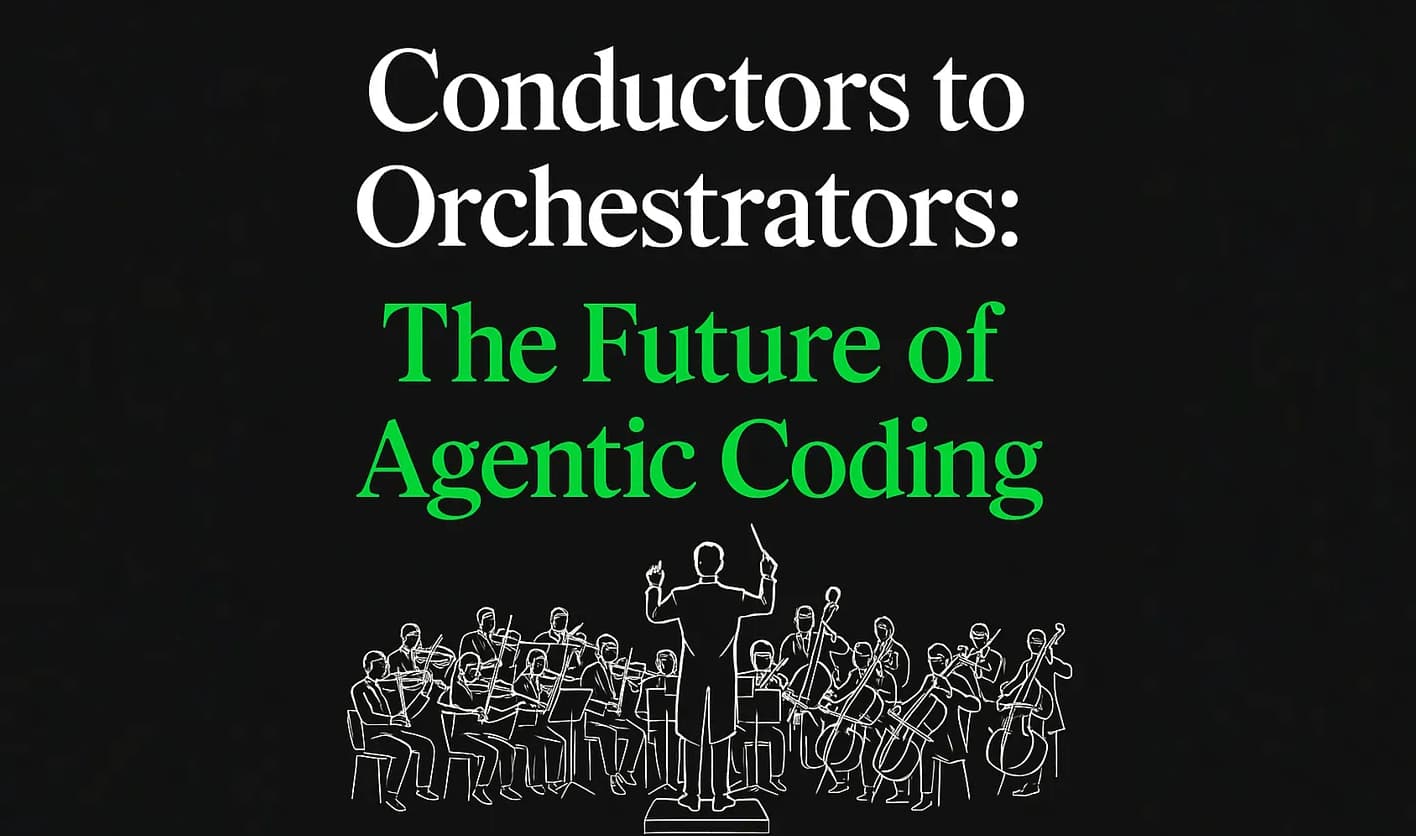
The shift from conductor to orchestrator: how to coordinate teams of AI coding agents in real-world software workflows. From subagents to Agent Teams to purpose-built orchestration tools, this talk covers the patterns, tools, and discipline required to thrive in the era of agentic engineering.

Software engineering is not about writing code anymore. It is about building the factory that builds your software.
Two papers published in early 2026 suggest you might have just made your agent slower, more expensive, and no more accurate. The right mental model is to treat AGENTS.md as a living list of codebase smells you haven't fixed yet, not a permanent configuration.

Bias toward action is defaulting to the smallest responsible step that produces real feedback, while pre-committing to guardrails so that being wrong is survivable and quickly correctable.
More lessons learned from 14 years of engineering at Google, focusing on what truly matters beyond just writing great code.

Claude Code now supports agent teams - coordinated swarms of AI agents that research, debug, and build in parallel. What was feature-flagged is now real. Here's what it means and how to use it.

Agentic Engineering is a disciplined approach to AI-assisted software development that emphasizes human oversight and engineering rigor, distinguishing it from the more casual 'vibe coding' style.
Imagine ending your workday and waking up to new features coded, tested, and ready for review. This is the promise of autonomous AI coding agents harnessing tools like Claude Code in continuous loops to improve and ship code while you sleep. In this write-up, I will ll cover how to set up these self...
Learn how to write effective specifications for AI coding agents to improve clarity, focus, and productivity in your AI-driven development workflows.

In the near future, high-leverage developers look like async-first managers running parallel AI coding agents. The skills that make someone a strong tech lead or manager translate directly to AI coding - because at scale, it stops being just a context problem and becomes a management problem.
AI did not kill code review. It made the burden of proof explicit. Ship changes with evidence like manual verification and automated tests, then use review for risk, intent, and accountability.

Exploring five critical questions shaping software engineering through 2026, with contrasting scenarios for each. These lenses help prepare for the evolving landscape of coding in an AI-driven world.

AI coding assistants became game-changers this year, but harnessing them effectively takes skill and structure. Here's my workflow for planning, coding, and collaborating with AI going into 2026.
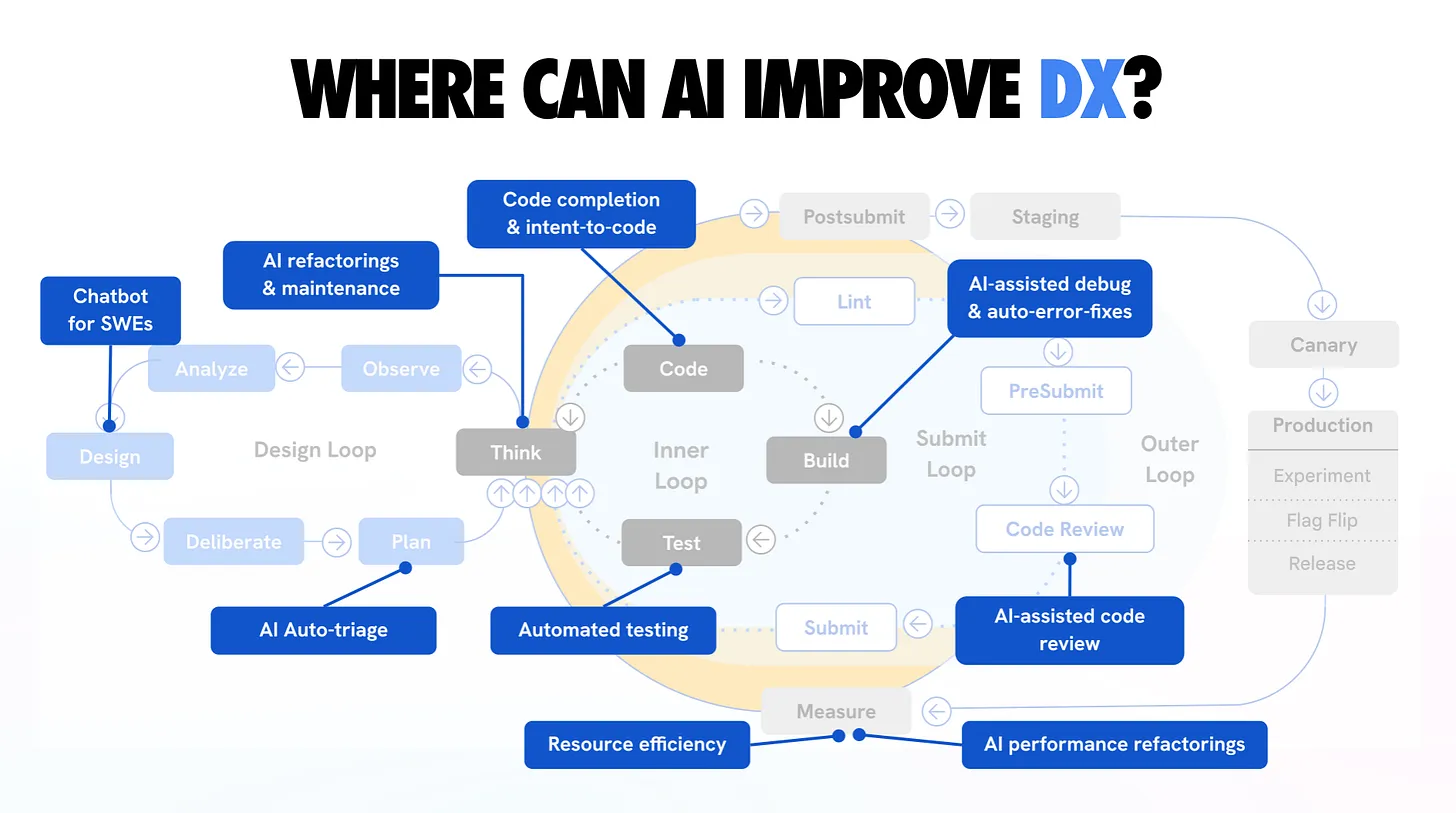
Lessons learned from 14 years of engineering at Google, focusing on what truly matters beyond just writing great code.

AI coding assistants have quickly moved from novelty to necessity where up to 90% of software engineers use some kind of AI for coding. But a new paradigm is emerging in software development
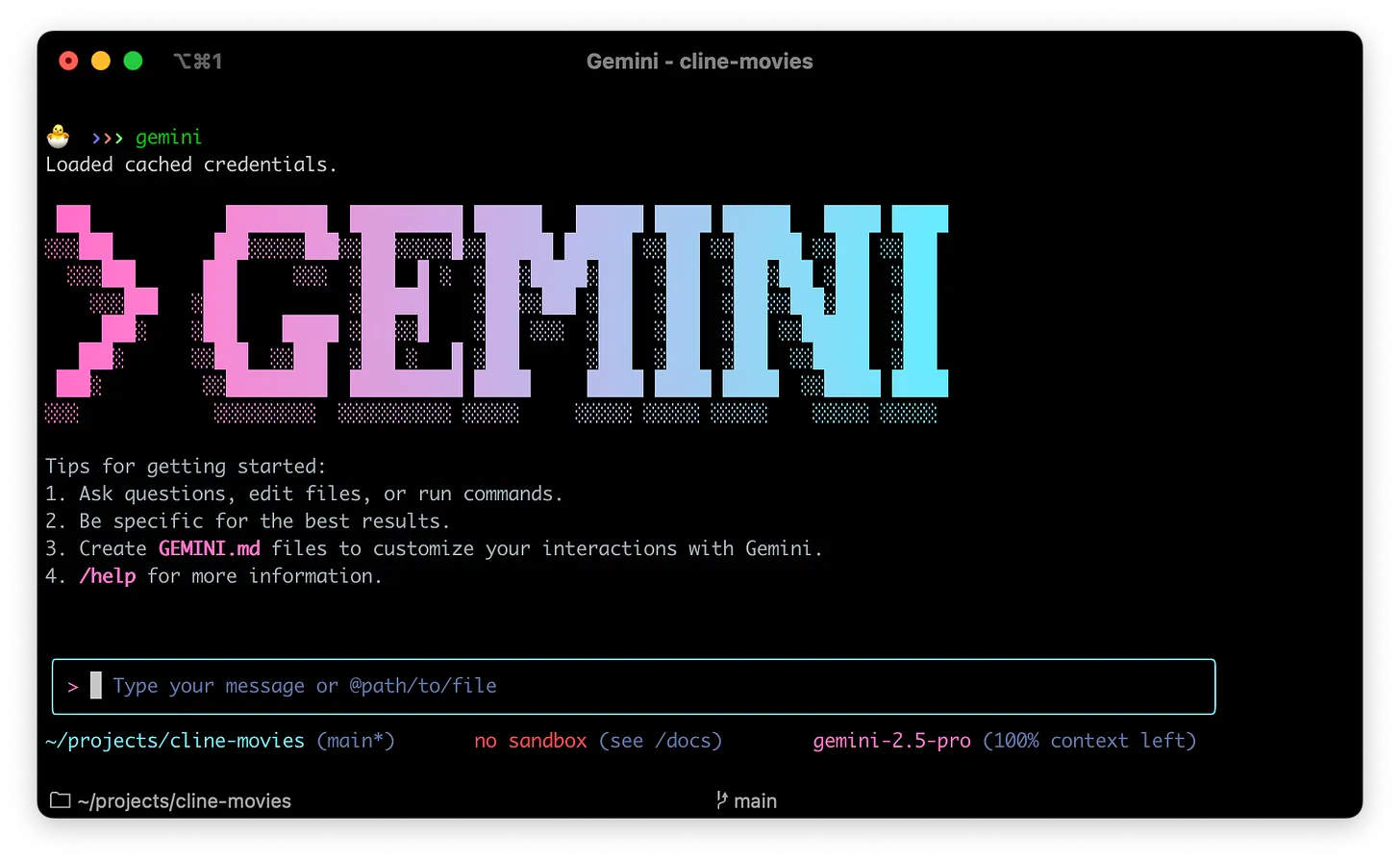
This guide covers ~30 pro-tips for effectively using Gemini CLI for agentic coding for Gemini 2.5, 3.0 and beyond
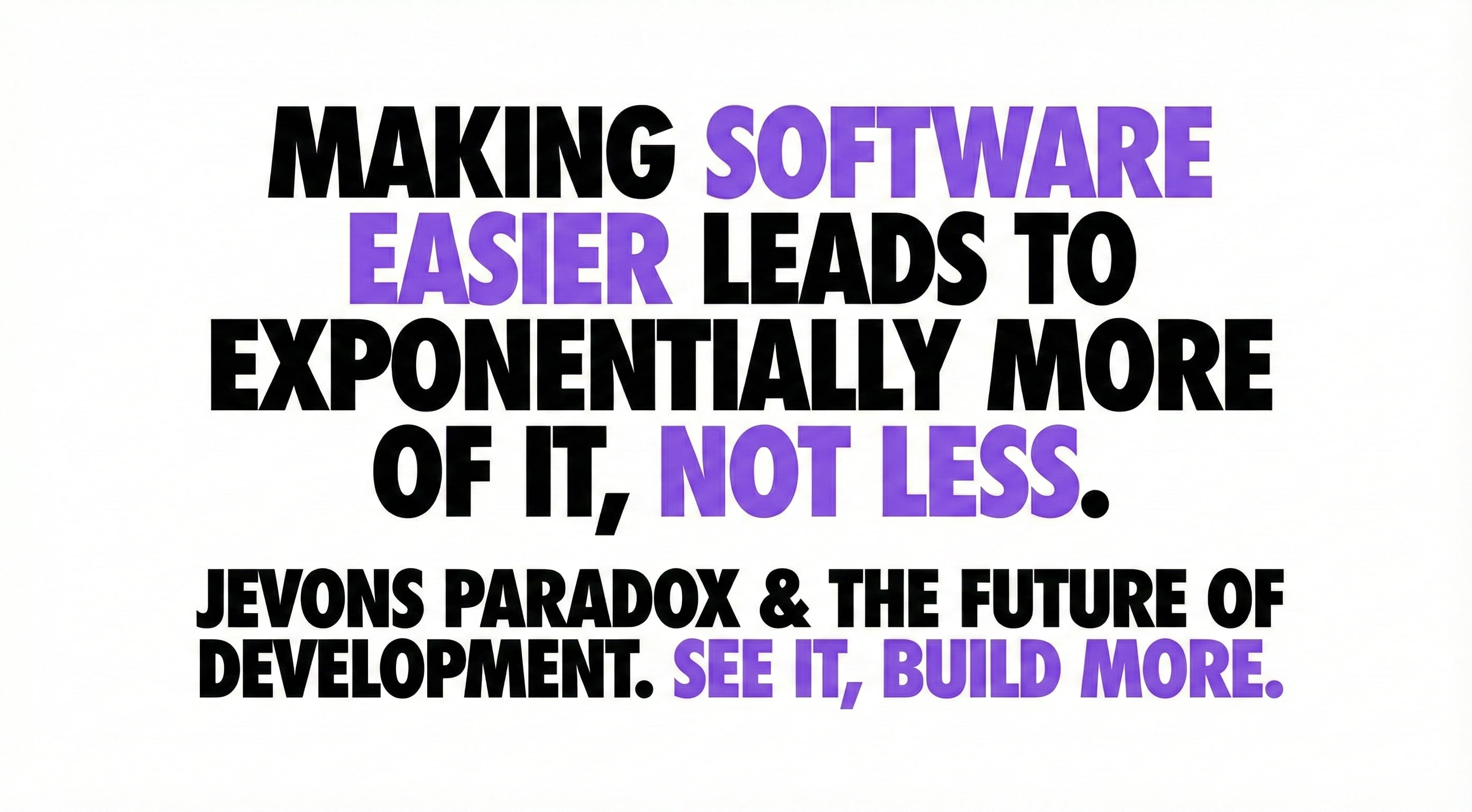
Every time we've made it easier to write software, we've ended up writing exponentially more of it. History suggests we won't do less work - we'll discover we've been massively under-investing in knowledge work because it was too expensive to do all the things that were actually worth doing.
Today we are expanding the Gemini 3 model family with the release of Gemini 3 Flash which offers frontier intelligence built for speed at a fraction of the cost.
Gemini! I'm joining Google Cloud AI to focus on helping developers and businesses succeed with Gemini, Vertex AI, and the Agent Development Kit.