Codú

// publication

PlanetScale Blog

@planetscale-blog

0
Followers
25
Articles

// latest articles

LinkPPlanetScale Blog@planetscale-blog · May 14 · in PlanetScale Blog

Egress problems and where to find them

Name something in recent history that got better and cheaper (other than the TVs at the entrance of Costco). I'll wait. Better performance and lower costs rarely come together, but optimizing your queries to reduce egress gives you both. So once you hit scale, or ideally before scale bites you, impr...

0
0 replies
LinkPPlanetScale Blog@planetscale-blog · May 7 · in PlanetScale Blog

Problem solving with PlanetScale Insights

There are so many ways your database can disappoint you. It'll make your application perform in ways you don't expect and upset your users. In a sufficiently complex application, finding and eliminating performance problems can be difficult. Fortunately, PlanetScale gives you the tools to isolate th...

0
0 replies
LinkPPlanetScale Blog@planetscale-blog · May 5 · in PlanetScale Blog

On benchmarking

Benchmarking is hard.There are many ways to do it wrong and few to do it right. But zooming out from any single system or harness, there are broad principles that should be applied to all benchmarking.Using these correctly makes it difficult to produce biased results. Am I the world's best benchmark...

0
0 replies
LinkPPlanetScale Blog@planetscale-blog · May 5 · in PlanetScale Blog

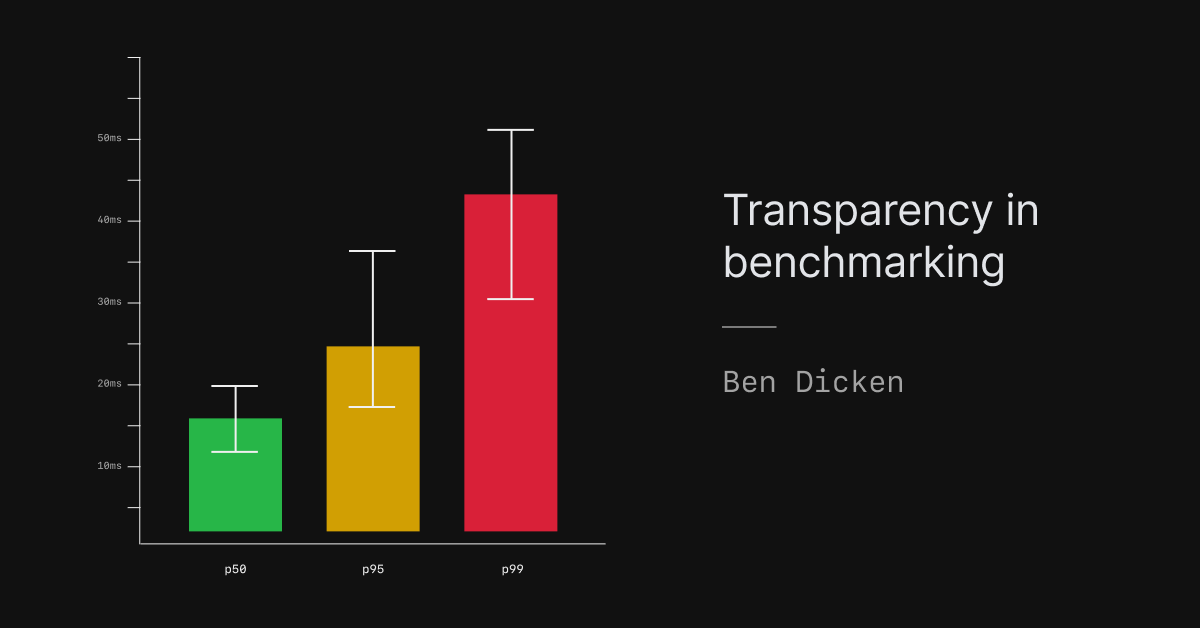
Transparency in benchmarking

Database benchmarks are imperfect.They are also useful. No benchmark can tell you exactly how a database will perform for your application.Workload shape, data size, region placement, storage, configuration, and cost all matter.But fair benchmarks help customers understand tradeoffs, compare options...

0
0 replies
LinkPPlanetScale Blog@planetscale-blog · Apr 30 · in PlanetScale Blog

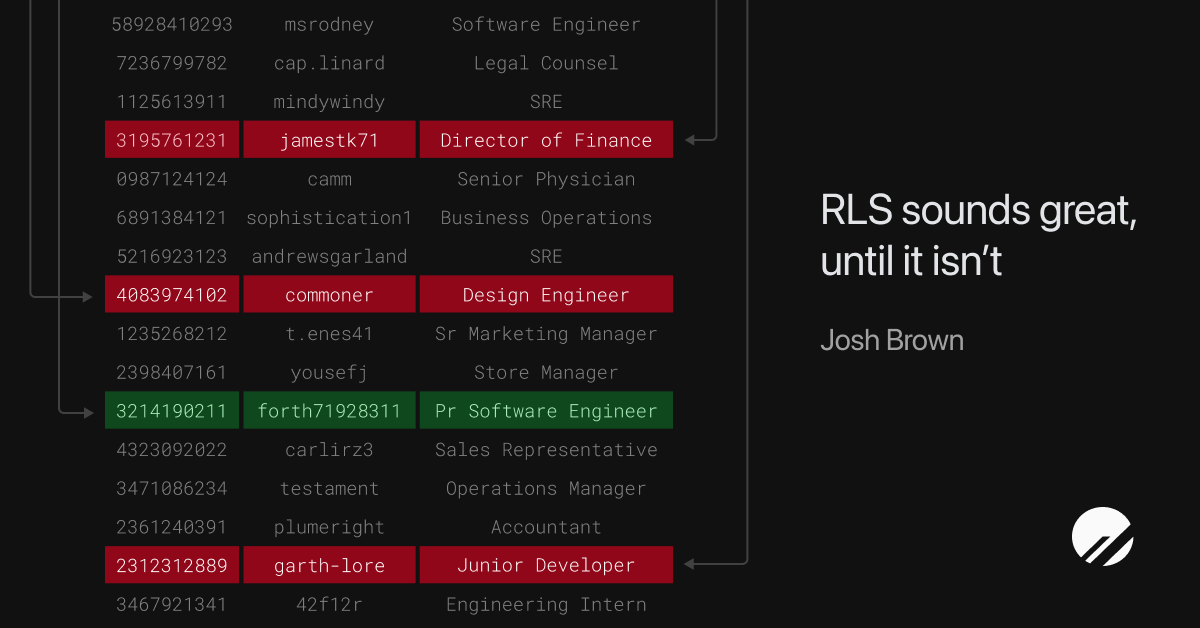
RLS sounds great until it isn't

When you leave your house, go to sleep, or go do work in the yard, you lock yourdoor. Maybe you have a gate or fence you lock too. Without these, anyone canwaltz into your house and snoop around. Row Level Security (RLS) can be attractive to developers for numerous reasons,but the foot-guns and gotc...

0
0 replies
LinkPPlanetScale Blog@planetscale-blog · Apr 21 · in PlanetScale Blog

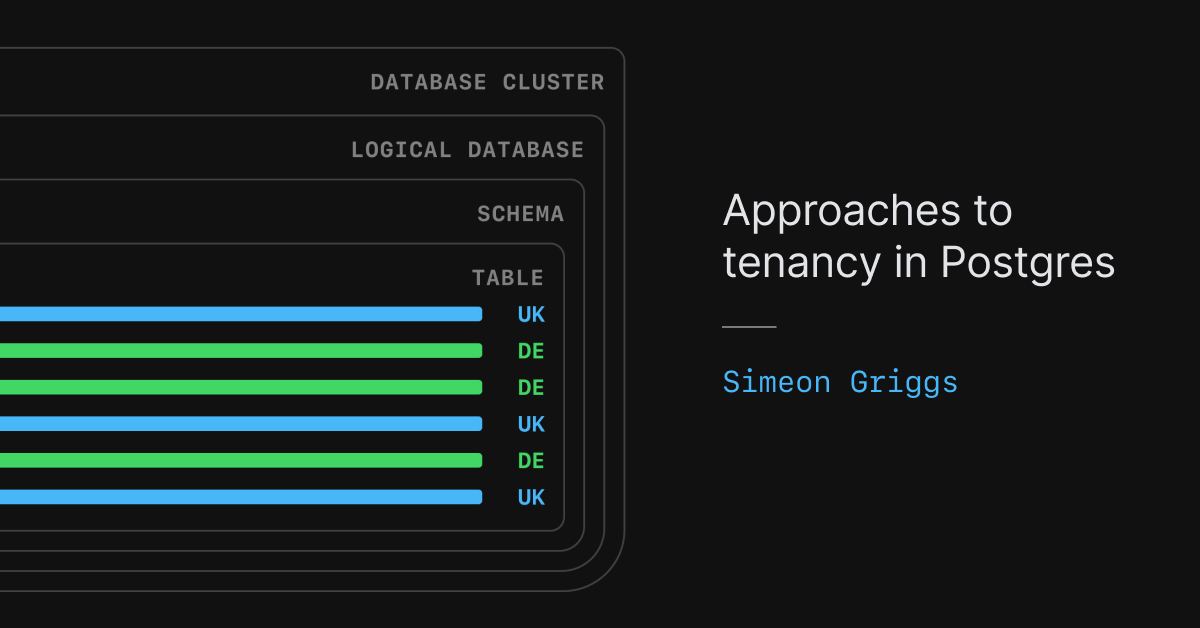
Approaches to tenancy in Postgres

Multi-tenancy is a term used across various kinds of technical infrastructure, including application hosting, compute, databases, and more. For example, you may purchase cloud services from a provider, but your account is one of many that draws from a common pool of resources. Your account is one "t...

0
0 replies
LinkPPlanetScale Blog@planetscale-blog · Apr 10 · in PlanetScale Blog

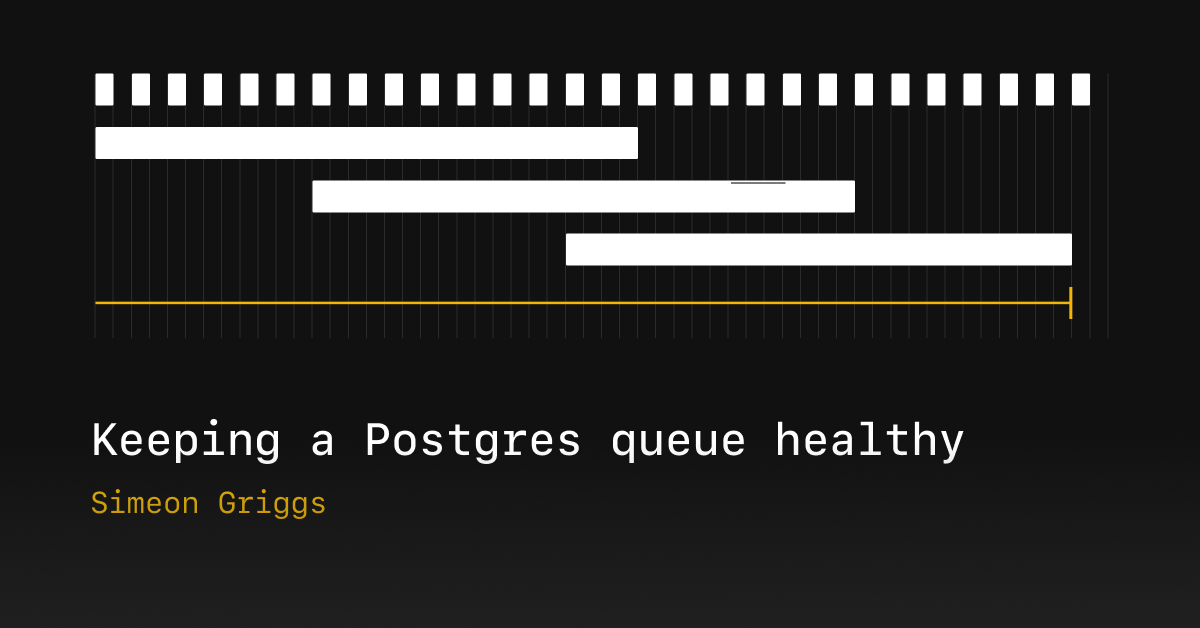
Keeping a Postgres queue healthy

A healthy digestive system is one that efficiently eliminates waste. Fiber is a key part of a healthy diet, not because it is nutritious, but because it keeps everything you consume moving. Databases are not so different. If you want a healthy queue table, you'll need to monitor the systems that are...

0
0 replies
LinkPPlanetScale Blog@planetscale-blog · Apr 2 · in PlanetScale Blog

Patterns for Postgres Traffic Control

Last week we introducedDatabase Traffic Control™. TrafficControl lets you attach resource budgets to slices of your Postgres traffic,like keeping your checkout flow running while a runaway analytics query getsshed instead. We have already discussed some scenarios where youshould use Traffic Control,...

0
0 replies
LinkPPlanetScale Blog@planetscale-blog · Mar 31 · in PlanetScale Blog

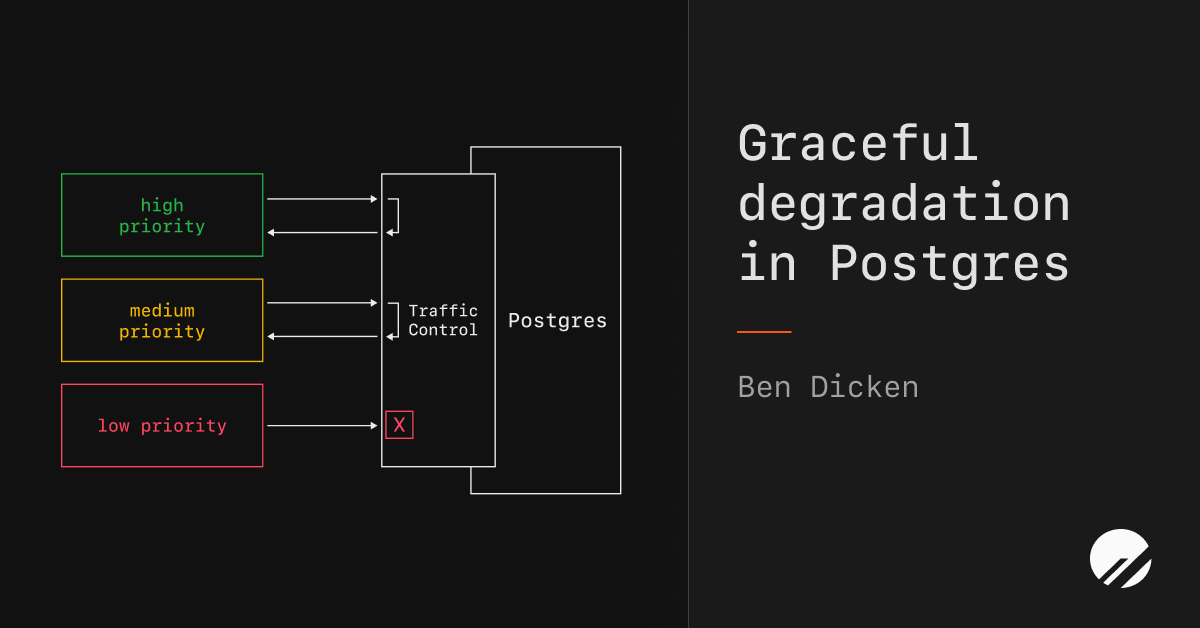
Graceful degradation in Postgres

Not all traffic is created equal.When a database is overwhelmed, you want the important queries to keep executing, even if that means shedding lower-priority work.This is a much better outcome than the alternative: a total database outage. PlanetScale's Traffic Control makes this feasible at the dat...

0
0 replies
LinkPPlanetScale Blog@planetscale-blog · Mar 24 · in PlanetScale Blog

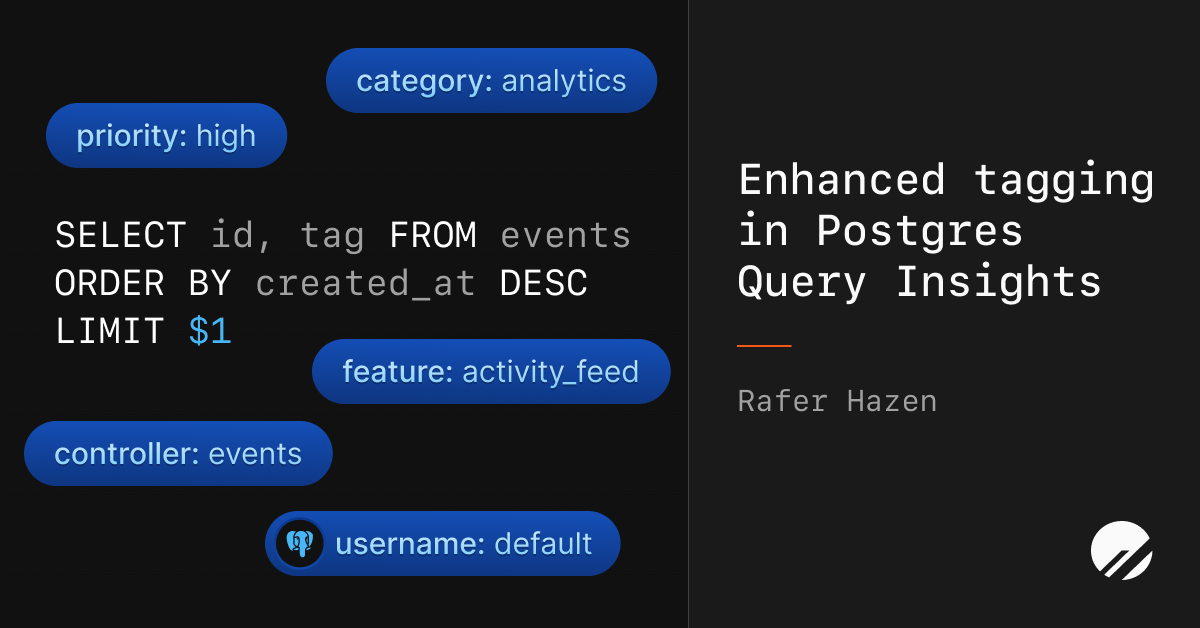
Enhanced tagging in Postgres Query Insights

As part of yesterday's Traffic Control launch, we made enhancements to the Insights query tagging feature for Postgres databases. Insights has supported query tags for some time, but they were previously only attached as metadata on individual notable query logs. With yesterday's release, tags are n...

0
0 replies
LinkPPlanetScale Blog@planetscale-blog · Mar 23 · in PlanetScale Blog

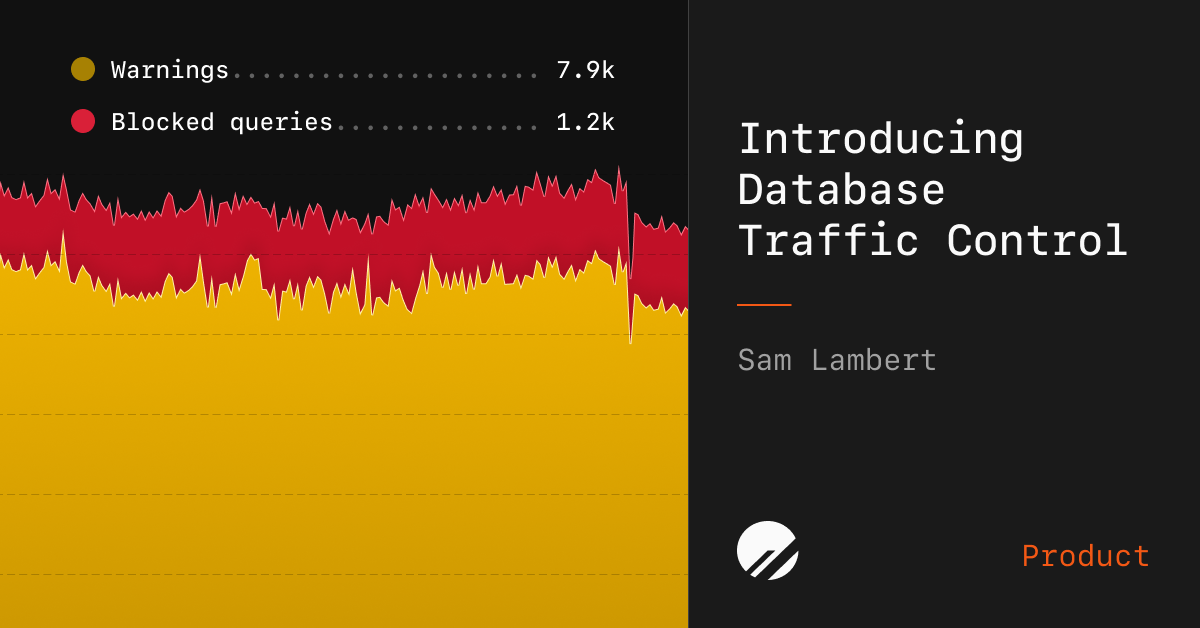
Introducing Database Traffic Control

Postgres has a fundamental gap when it comes to managing query traffic. When an unexpected spike of bad queries, or runaway workload hits your database, Postgres has no good way to fight back. It accepts every query thrown at it until performance degrades or, in the worst case, the server goes down....

0
0 replies
LinkPPlanetScale Blog@planetscale-blog · Mar 13 · in PlanetScale Blog

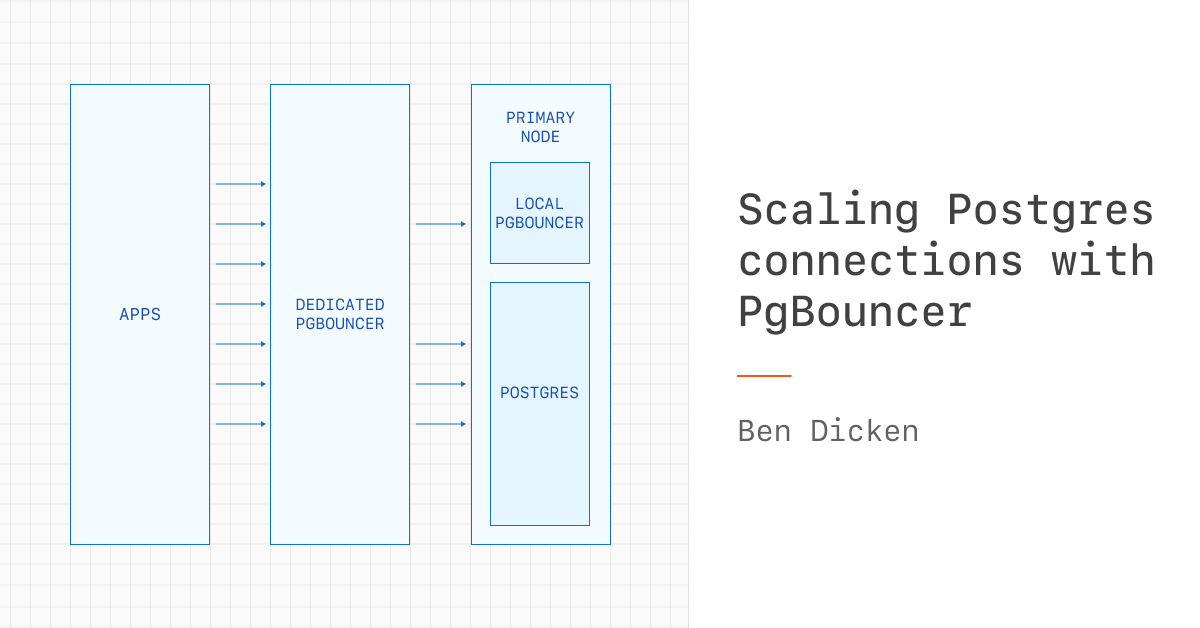
Scaling Postgres connections with PgBouncer

The Postgres process-per-connection architecture has an elegant simplicity, but hinders performance when tons of clients need to connect simultaneously. The near-universal choice for solving this problem is PgBouncer.Though there are upcoming systems like Neki which will solve this problem in a more...

0
0 replies
LinkPPlanetScale Blog@planetscale-blog · Mar 3 · in PlanetScale Blog

Drizzle joins PlanetScale

I am excited to announce that the Drizzle team is joining PlanetScale to continue their mission of building the best database tools for JavaScript and TypeScript. Drizzle’s ORM has risen to become the default thanks to the team’s obsession with performance and developer experience, two things Planet...

0
0 replies
LinkPPlanetScale Blog@planetscale-blog · Feb 27 · in PlanetScale Blog

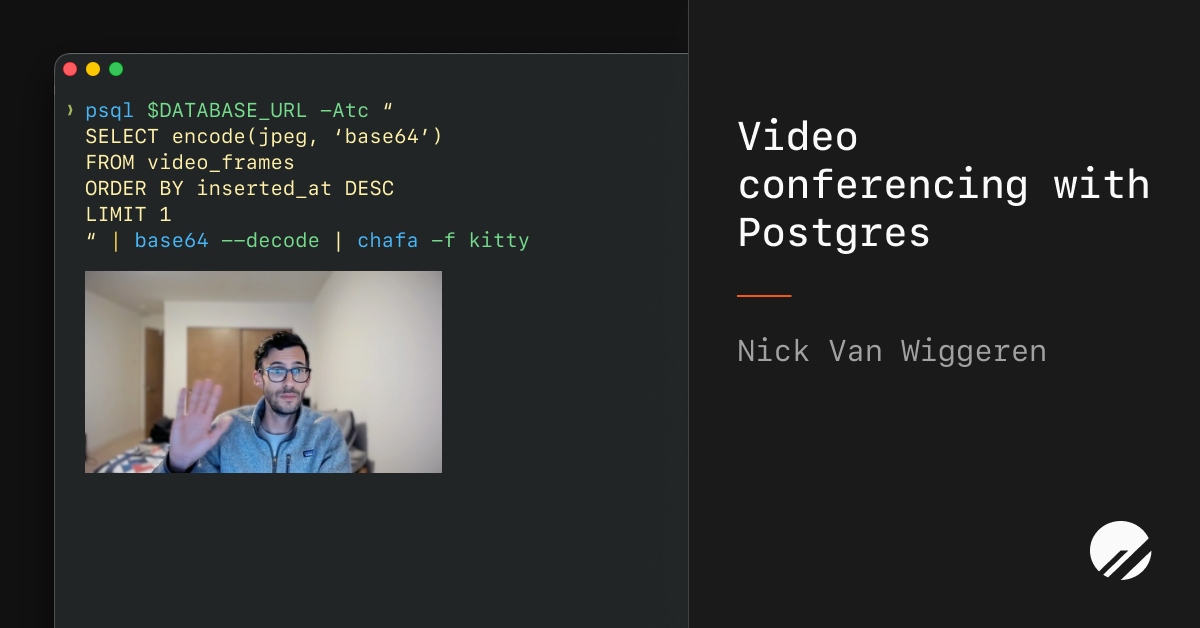
Video Conferencing with Postgres

Yesterday on X, SpacetimeDB tweeted that they had done "the world's first video call over a database" and, in their own way, invited anyone else to give it a try. Credit to them - it's a cool idea! In short, they built a frontend that captures audio and video from the browser's media APIs, encodes t...

0
0 replies
LinkPPlanetScale Blog@planetscale-blog · Jan 29 · in PlanetScale Blog

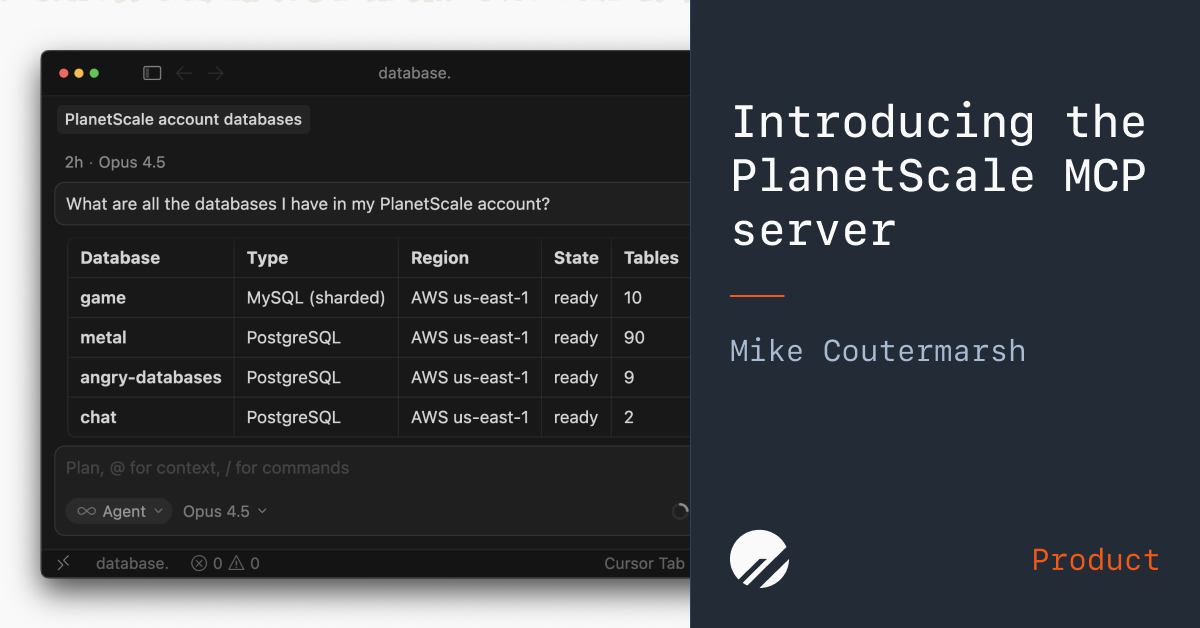
Introducing the PlanetScale MCP server

Today we're releasing the new PlanetScale MCP server, bringing your database directly into your AI tools. With the Model Context Protocol (MCP), Claude, Cursor, Open Code, and other AI tools can now connect to the PlanetScale API to help you improve and better understand your database. What is the P...

0
0 replies
LinkPPlanetScale Blog@planetscale-blog · Jan 14 · in PlanetScale Blog

Database Transactions

Transactions are fundamental to how SQL databases work.Trillions of transactions execute every single day, across the thousands of applications that rely on SQL databases. What is a database transaction? A transaction is a sequence of actions that we want to perform on a database as a single, atomic...

0
0 replies
LinkPPlanetScale Blog@planetscale-blog · Dec 17 · in PlanetScale Blog

Postgres 18 is now available

Postgres 18 is now available on PlanetScale.Starting today, when you create a new database, the default version will be 18.1.You can select a prior version using the dropdown on the database creation page. This combined with our recent launches of $5 single-node databases and $50 Metal databases mak...

0
0 replies
LinkPPlanetScale Blog@planetscale-blog · Dec 16 · in PlanetScale Blog

Using MotherDuck with PlanetScale

DuckDB has gained significant traction for OLAP workloads.It's powerful, flexible, and has a feature-rich SQL dialect, making it perfect to use for analytics alongside OLTP-oriented relational databases. Today, we're excited to announce support for the pg_duckdb extension for Postgres databases on P...

0
0 replies
LinkPPlanetScale Blog@planetscale-blog · Dec 15 · in PlanetScale Blog

$50 PlanetScale Metal is GA for Postgres

Today we’re making PlanetScale Metal for Postgres available in smaller sizes and at much lower price points, all the way down to the new M-10 for as little as $50 per month.We’ve lowered the floor from 16GiB of RAM with four sizes all the way to 1GiB and paired these with eight storage capacities ra...

0
0 replies
Learn to build with AI and grow with people doing the same — it's free.